
A Complete Guide to the World’s Most Popular Pavement
Have you ever looked at the road beneath your tires or the pavement in a shopping center and wondered exactly what it is made of? It is the most common paving material in North America, covering over 94% of our paved roads.
Despite its popularity, many property owners don’t fully understand what is asphalt or why it is the preferred choice for infrastructure. Whether you are a homeowner considering a new driveway or a property manager maintaining a commercial lot, understanding this material is the first step toward making a smart investment.
If you are ready to upgrade your property’s surface, our professional paving services provide the durability and aesthetic appeal you need.
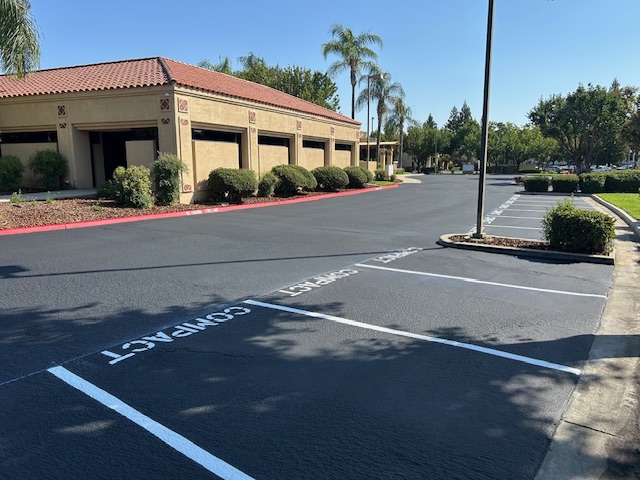
The Composition: What Goes Into the Mix?
To understand asphalt, you have to look at its ingredients. It is not just a single substance; it is a composite material. Think of it like a recipe that requires precise measurements to ensure strength and longevity.
The mixture generally consists of two main components:
- Aggregates: This makes up about 90% to 95% of the mix. It includes crushed stone, gravel, and sand. These materials provide the load-bearing structure of the pavement.
- Binder: The remaining 5% to 10% is bitumen, a dark, viscous liquid derived from crude oil. This acts as the “glue” that holds the aggregates together.
How Is Asphalt Pavement Created?
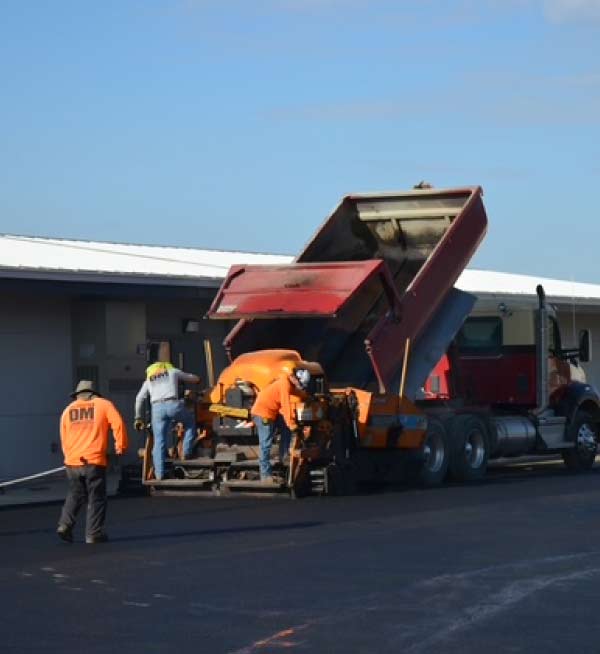
The process of making this material is a feat of engineering. The aggregates are dried and heated to high temperatures. The bitumen is also heated until it becomes liquid. They are then mixed in a manufacturing plant to create a hot, workable material.
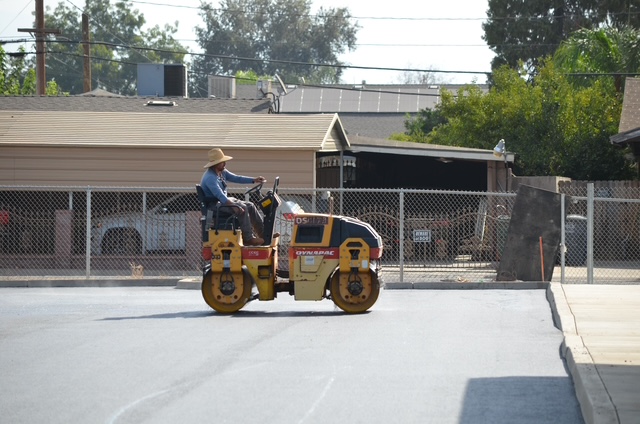
This “Hot Mix” is transported to the job site while it is still hot. It is then laid down by paving machines and compacted by heavy rollers. As it cools, the bitumen hardens, binding the stones together into the durable surface we drive on.
Why Is Asphalt the Top Choice for Paving?
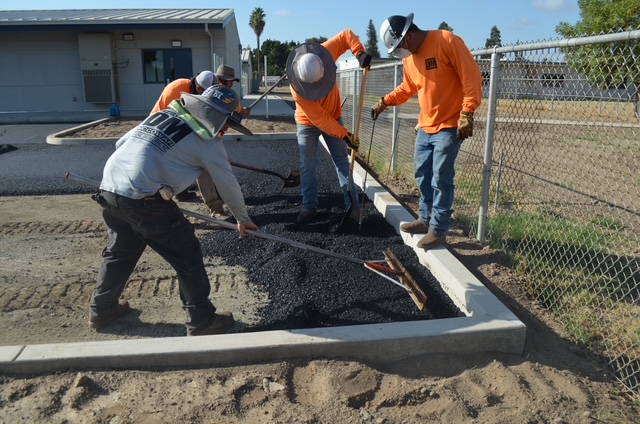
There is a reason why ‘what is asphalt pavement’ represents the standard for modern infrastructure. Its benefits go far beyond just being a hard surface to drive on.
- Cost-Effectiveness: Compared to concrete, asphalt is generally less expensive to install. It cures much faster, meaning labor costs are lower and the surface can be used sooner.
- Durability and Flexibility: Unlike concrete, which is rigid, asphalt has a degree of flexibility. This allows it to withstand slight movements in the ground and heavy traffic loads without shattering.
- Safety: The dark color provides high contrast for road markings, while the texture offers excellent tire grip. This improves safety for drivers in various weather conditions.
Applications for Your Property
Because of its versatility, this material is used in a wide variety of settings.
Residential Uses For homeowners, a smooth, black Driveway adds instant curb appeal and value to the home. It is quieter to drive on and easier to keep clean.
Commercial Uses Businesses rely on Parking Lots to welcome customers. A fresh, black surface implies a well-managed business. It withstands the daily abuse of hundreds of vehicles and delivery trucks.
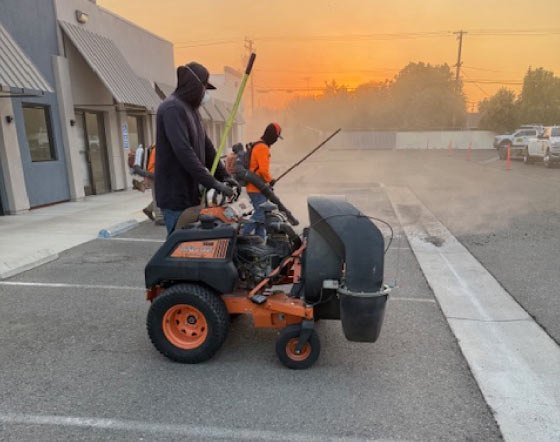
The Importance of Maintenance
While asphalt is incredibly durable, it is not invincible. Over time, UV rays from the sun can oxidize the binder, turning the pavement gray and brittle. Water can also seep into the surface, causing damage during freeze-thaw cycles.
To extend the life of your pavement, regular maintenance is required:
- Sealcoating: This acts as a sunscreen and waterproof barrier for your pavement, restoring its rich black color.
- Repairs: Filling cracks and potholes early prevents water from reaching the foundation.
- Parking Lot Striping: Fresh lines are essential for safety and maximizing space in commercial lots.
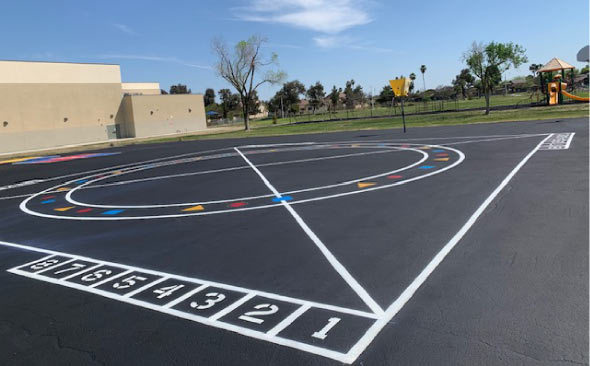
Is Asphalt Sustainable?
One of the most surprising facts about this material is its environmental impact. It is actually the most recycled material in America. When old roads are dug up, the material is often crushed and reused in new paving projects.
According to the National Asphalt Pavement Association, the industry recycles millions of tons of material annually, saving taxpayers money and reducing the need for new raw materials. You can read more about these recycling efforts and sustainability statistics.
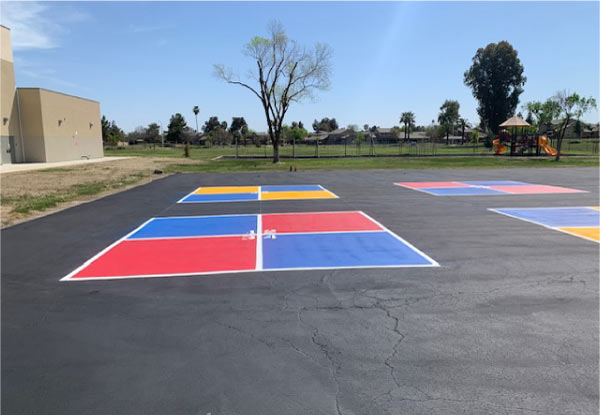
Partner with Denny McCowan General Engineering Inc.
Now that you can answer the question “what is asphalt,” you know that quality materials and professional installation matter. Denny McCowan General Engineering Inc. has served the Central Valley since 2001.
We bring over 40 years of experience to every job, ensuring your project is engineered for success. Whether you need a new installation or maintenance on an existing lot, our team treats every project with the integrity and precision it deserves.
Frequently Asked Questions (FAQs)
What is the difference between asphalt and concrete?
Asphalt is made of aggregates and bitumen (oil-based), making it flexible and faster to install. Concrete is made of cement, water, and aggregates, resulting in a rigid, grey surface that takes longer to cure but can last longer without maintenance.
How long does new asphalt take to dry?
Technically, it cures rather than “dries.” You can usually drive on a new surface within 24 to 48 hours. However, it can take up to a year to fully cure and harden completely, so care should be taken with heavy point loads during the first summer.
Is asphalt pavement porous?
Standard mixes are impervious, meaning water runs off them. However, there is a specific type called porous or permeable asphalt. This mix allows water to drain through the surface into a stone bed below, which helps manage stormwater runoff.
Why does asphalt turn gray over time?
The graying process is caused by oxidation. UV rays from the sun break down the bitumen binder that holds the rocks together. As the oils dry out, the deep black color fades to gray, signaling that the surface is becoming more brittle.
Can you pour asphalt over concrete?
Yes, this is known as “overlaying.” It can be done if the existing concrete is stable and not crumbling. However, special preparation is required to ensure the layers bond correctly, and it may raise the grade of the surface, affecting drainage.