
A Professional Guide to Asphalt Care
Nothing ruins the curb appeal of a home faster than dark, stubborn oil spots on your pavement. Whether it is a leak from a family car or a spill during a weekend project, these marks are more than just an eyesore. They can actually compromise the structural integrity of your DRIVEWAY if left untreated. Learning the right maintenance techniques can save you thousands in future replacement costs.
Many homeowners wonder how to remove oil stains from driveway surfaces before they cause permanent damage. The secret to success lies in speed and in using the correct asphalt materials. Because asphalt is a petroleum-based product, oil spills can chemically dissolve the binding agents, leading to soft spots and eventual potholes. If the damage has already progressed to cracks, you may need professional repairs to restore the surface.
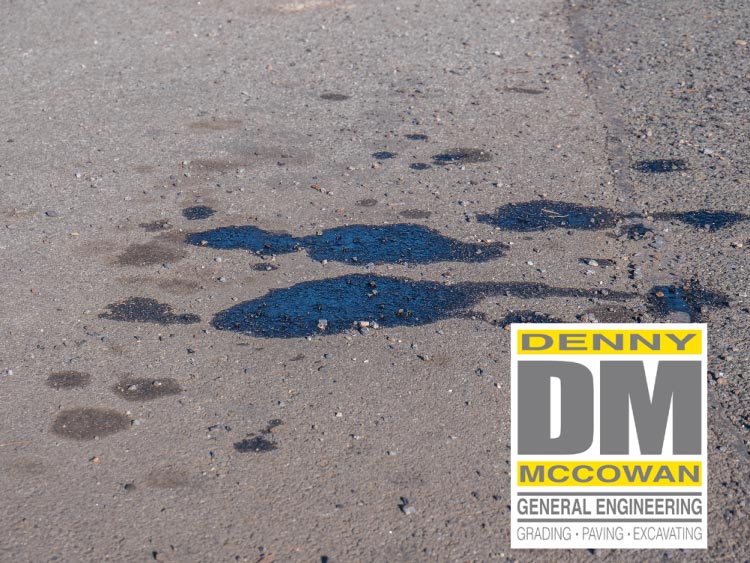
Step 1: Absorb the Fresh Spill
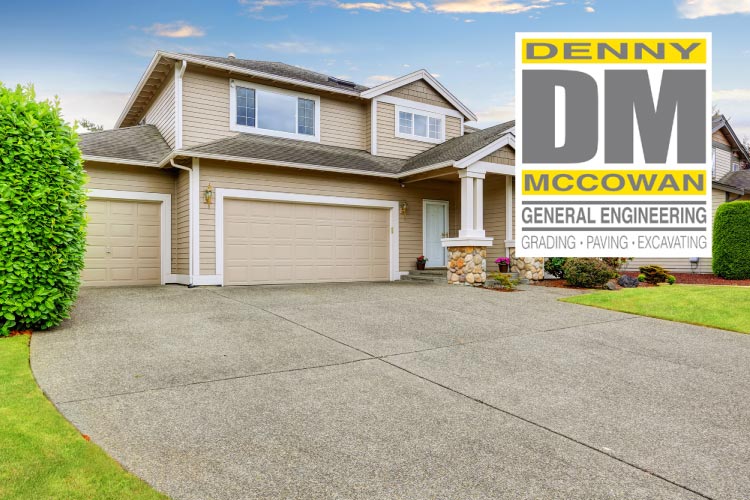
Step 2: Scrub with a Degreasing Agent
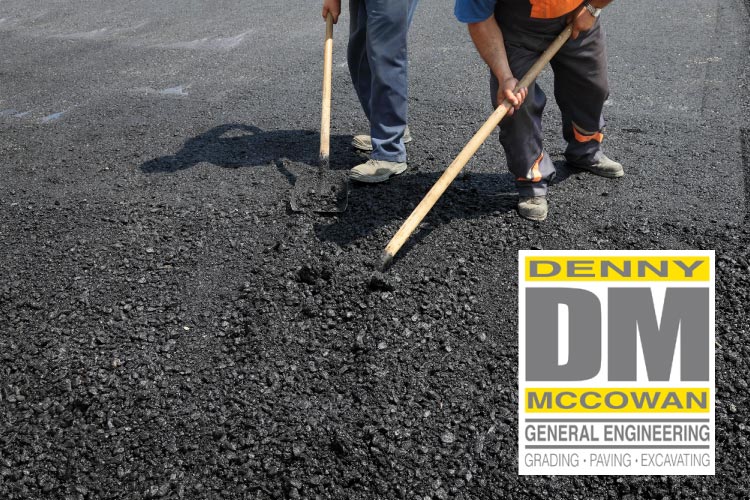
Step 3: Dealing with Stubborn, Set-In Stains
Avoid using harsh solvents like gasoline or paint thinner, as these will melt your asphalt.
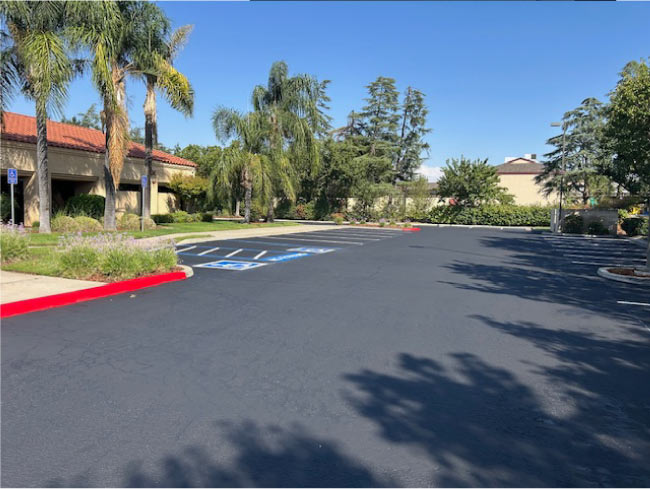
The Importance of Prevention
While it is helpful to know how to remove oil stains from driveway pavement, the best strategy is always prevention. Regular maintenance is key to a long-lasting surface.
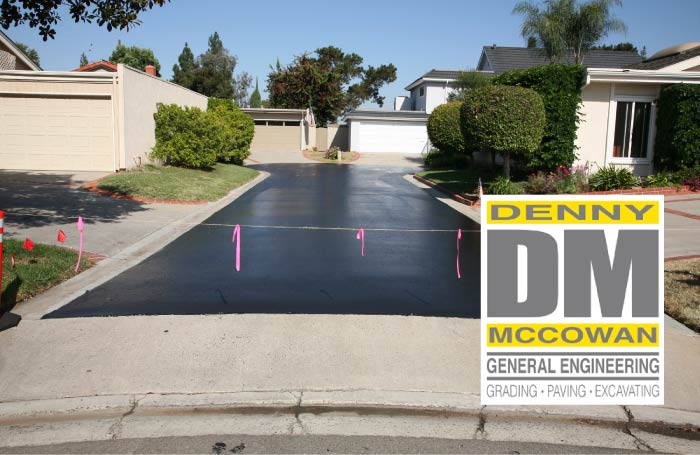
Professional sealcoating creates a protective barrier that helps prevent the penetration of oils and water. This shielding effect keeps your asphalt looking new while avoiding oxidation from the elements
When to Seek Professional Help
If your driveway has extensive staining or structural failure, cleaning may not be enough. In some cases, the sub-base may be eroded, requiring excavation and grading to ensure proper drainage and stability for a new surface. For commercial properties, maintaining parking lots also involves keeping up with parking lot striping to ensure safety and organization after a deep clean.
Maintaining high-quality pavement involves more than just soap and water. According to the National Asphalt Pavement Association, proper drainage and surface protection are the two most critical factors in pavement longevity. If your surface is beyond a simple cleaning, it might be time for professional paving services to ensure your property remains safe and attractive for years to come
About Denny McCowan General Engineering
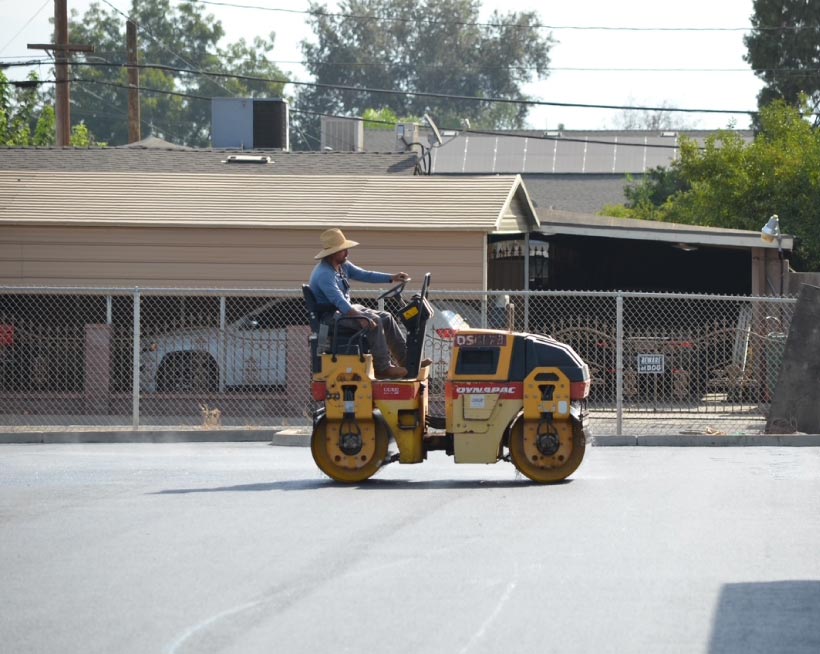
Denny McCowan General Engineering Inc. is a licensed and insured asphalt contractor that has served the Central Valley for over 25 years.
As a third-generation contractor, Denny McCowan combines a 40-year family legacy with modern GPS technology to deliver precision in every project.
Whether you need a residential driveway paved or a large-scale commercial excavation, their team is committed to providing high-quality workmanship and treating every job as if it were their own
Frequently Asked Questions (FAQs)
Can I use a pressure washer to remove oil from my driveway?
While a pressure washer can be effective, you must be careful with the pressure setting. High-pressure water can strip away the top layer of asphalt or damage the sealcoat if the nozzle is held too close to the surface.
Is baking soda effective for old oil stains?
Baking soda is an excellent absorbent for fresh spills, but it may have limited success on older, set-in stains. For deep-set oil, a specialized degreaser or microbial cleaner is usually required to penetrate the pores.
Will sealcoating hide existing oil stains?
No, you should never sealcoat over an oil stain. The oil will prevent the sealer from bonding to the asphalt, causing the new coat to peel away. The stain must be thoroughly cleaned and primed before sealing.
How long can I wait before an oil spill ruins my asphalt?
Asphalt begins to soften almost immediately upon contact with oil. You should ideally blot and treat a spill within the first few hours to prevent permanent damage to the binding agents.
Are commercial oil cleaners safe for the environment?
Many modern asphalt cleaners are biodegradable and use citrus-based solvents or microbes to break down oil. Always check the label to ensure the product is safe for nearby plants and groundwater.