
Maintaining your asphalt surfaces is one of the smartest investments you can make as a property owner. Applying a fresh protective layer preserves your pavement and keeps it looking brand new.
However, timing is everything when scheduling this service. A common question property owners ask before booking a crew is: how long does sealcoating take to dry?
Understanding the Standard Dry Time
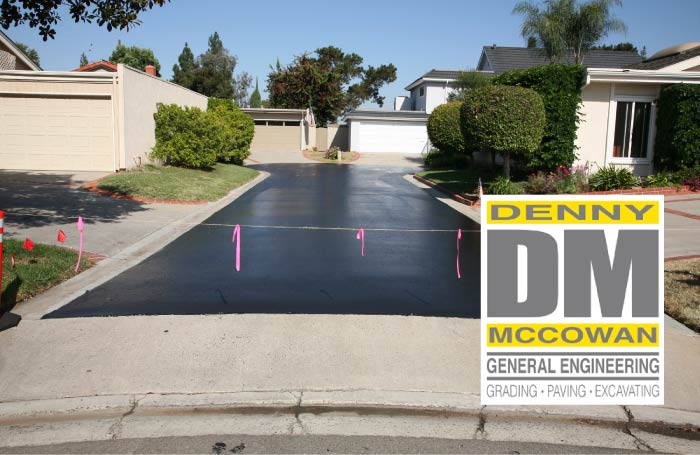
Generally, a professionally applied coat requires at least 24 to 48 hours to dry completely before accepting vehicles. Foot traffic is typically safe after 4 to 8 hours. However, the exact timeline depends heavily on the surrounding environmental elements. Rushing cars back onto the surface too early will cause permanent tracks, tire marks, and structural damage to your beautiful, newly protected driveway.
If your surface has deep cracks or foundational damage, you must address those issues first. You should look into professional asphalt repairs before applying any protective liquid coatings. Laying a sealant over crumbling pavement will only hide problems temporarily without fixing them.
Key Factors That Impact Curing Times
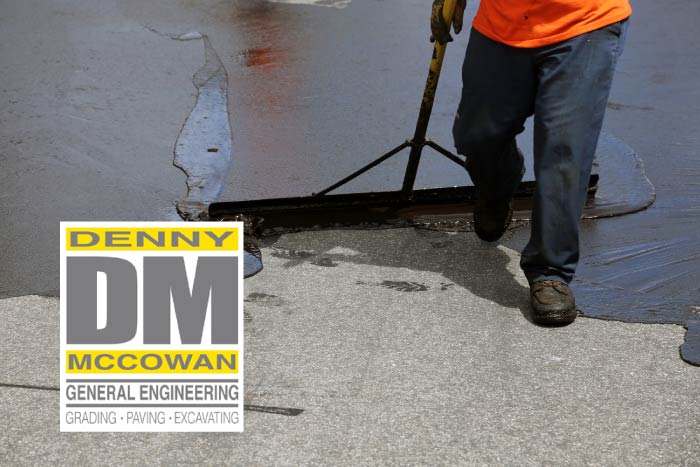
Not every project dries at the same speed. The chemical process relies heavily on specific outdoor conditions to evaporate the liquid base.
-
Sunlight Exposure: Direct sunlight accelerates evaporation, causing the product to set much faster.
-
Humidity Levels: High humidity traps moisture in the air, which drastically delays the drying process.
-
Air Temperature: It should be at least 50°F and rising for the material to bond correctly.
-
Wind Speed: A steady, light breeze acts like a giant fan, speeding up your project’s overall curing timeline.
For older surfaces requiring comprehensive restoration, combining your sealant schedule with fresh
What Happens If It Rains?
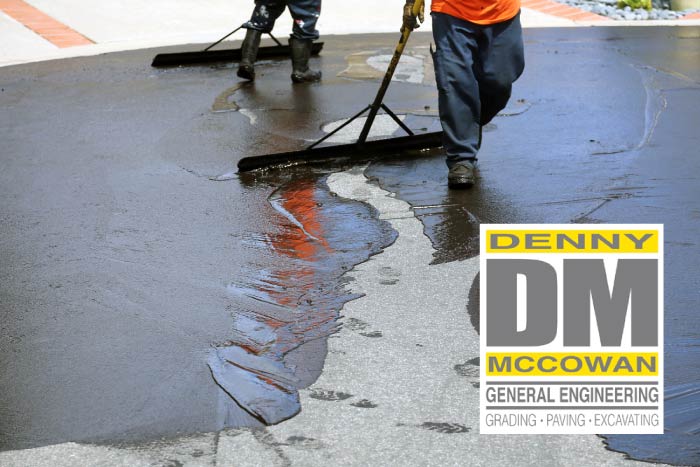
Water is the ultimate enemy of fresh, uncured pavement sealant. If unexpected rain falls within the first several hours of application, it can wash the product completely away. This leaves your pavement completely unprotected and creates a messy, expensive cleanup situation.
Professional teams monitor local weather radars carefully to avoid scheduling work on overcast or rainy days.
Tips to Help Your Sealant Cure Safely
While you cannot change the outdoor weather, you can take active steps to protect your pavement during its critical drying window. Turn off all automated lawn sprinklers 24 hours prior to your scheduled service.
Keep pets and children away from the perimeter to prevent tracking black footprints.
Additionally, block the entrance with bright caution tape so neighbors do not accidentally pull into your path.
When Can You Safely Drive on Your Asphalt?
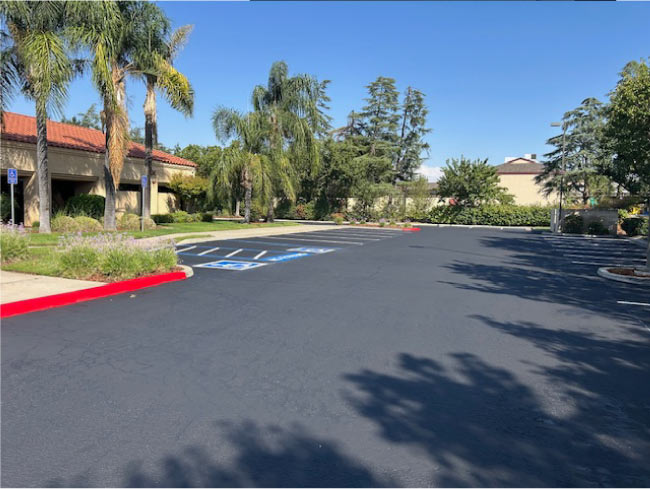
We strongly suggest waiting a full 48 hours before turning heavy vehicle tires on the area. Even if the surface feels dry to your touch, the lower layers need extra time to harden fully. According to the pavement preservation standards outlined by the
Once the surface has hardened, you can finalize your commercial space with crisp
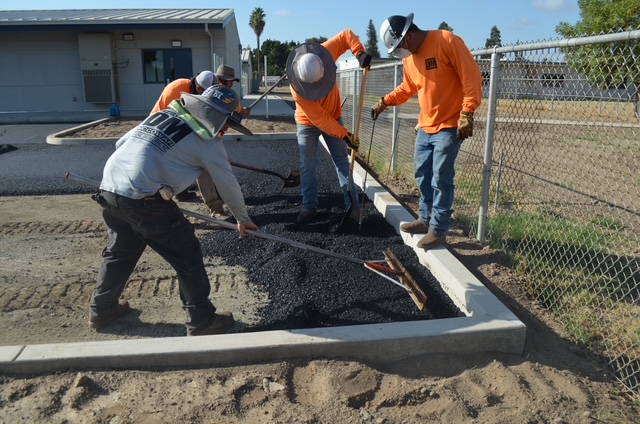
About Denny McCowan General Engineering Inc.
When you want your pavement maintenance completed correctly, experience matters. Denny McCowan General Engineering Inc. brings over 40 years of industry experience directly to your project. Founded by Denny and Angie McCowan from their home office, the company has grown into a premier asphalt leader.
Our dedicated team provides exceptional
Frequently Asked Questions (FAQs)
Can I walk on my driveway while the sealcoating is drying?
You should avoid walking on the surface for the first 4 to 8 hours. After this initial window, light foot traffic is generally safe, but keep vehicles off.
What happens if a vehicle drives on the surface too early?
Driving on wet sealant creates deep tire ruts, scuff marks, and tears the protective layer away, leaving the asphalt exposed to weather damage.
Why does the sealer look gray or streaky while drying?
As the liquid base evaporates, the material undergoes a natural color transformation. It will turn into a uniform, rich black shade once fully cured.
Is it safe to apply sealcoat during the colder winter months?
No, the product requires temperatures consistently above 50°F to cure. Cold temperatures prevent the liquids from bonding, causing the application to fail.
How often should I schedule this maintenance for my asphalt?
For ideal protection, you should have a fresh coat applied every two to three years depending on your local traffic patterns and weather.