
If you are planning a new driveway, parking lot, or access road, one question usually comes up before anything else: asphalt or concrete?
Both materials are strong. Both have been used for decades. And both can look great when they are installed correctly.
But they are not interchangeable. Each one behaves differently when it comes to cost, lifespan, maintenance, repairs, and how it handles summer heat.
The best paving material is not the one that wins on paper. It is the one that fits your budget, your climate, and the way the surface will actually be used.
At Denny McCowan General Engineering Inc., we have been paving and preparing sites across Visalia and the Central Valley for over 25 years. We are a licensed, third-generation contractor (License #801371), and we get this question almost every week.
This guide breaks down the real differences in plain language, so you can decide with confidence.
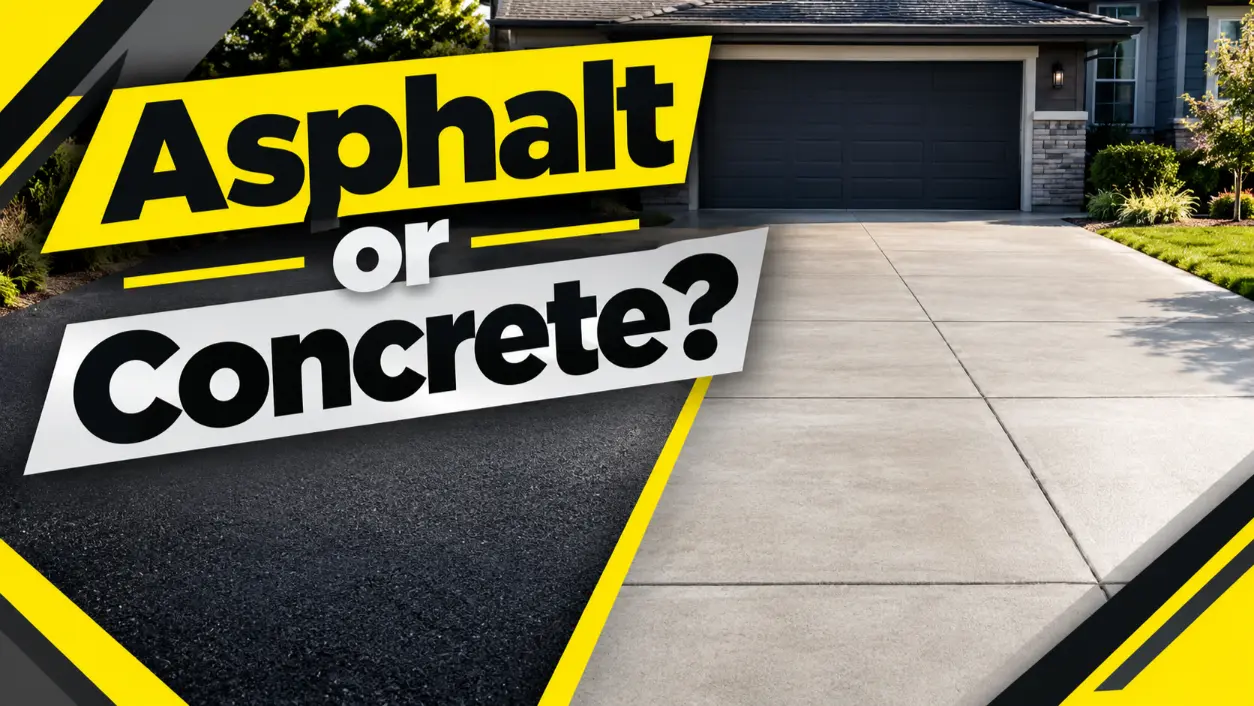
Asphalt or Concrete? The Quick Answer
If you only have a minute, this table covers the main points. The rest of the article explains each one in detail.
| Factor | Asphalt | Concrete |
|---|---|---|
| Upfront cost | Usually lower | Usually higher |
| Typical lifespan | Roughly 20 to 25 years with good care | Roughly 30 to 50 years when installed well |
| Maintenance | Sealcoating and crack filling every few years | Occasional joint sealing and crack repair |
| Installation time | Fast, often usable within a day or two | Slower, needs about a week to cure before vehicles |
| Repairs | Easy to patch and resurface | Harder, often requires slab replacement |
| Flexibility | Flexible, adjusts to minor ground movement | Rigid, can crack when the ground shifts |
| Look | Dark, smooth, uniform | Light, with color and stamped options |
Notice that neither column wins every row. That is exactly why the answer depends on your project.
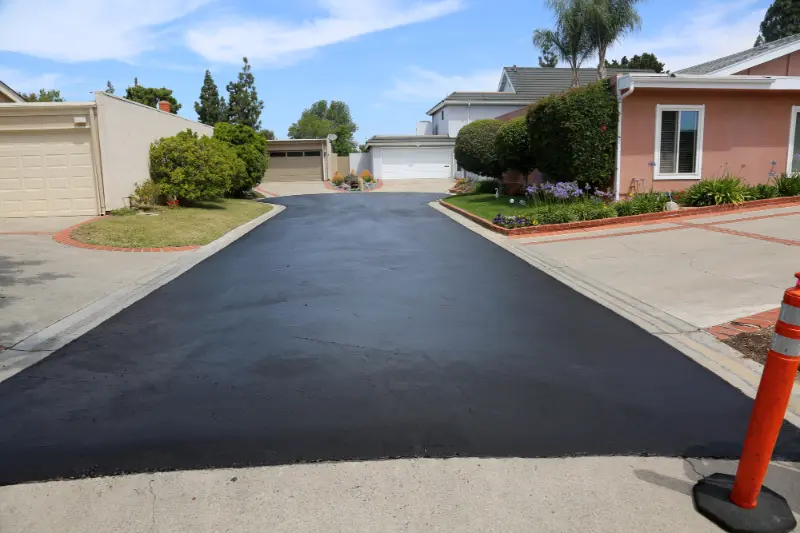
The Basic Difference Between Asphalt and Concrete
Before comparing them, it helps to understand what each material actually is.
What Is Asphalt?
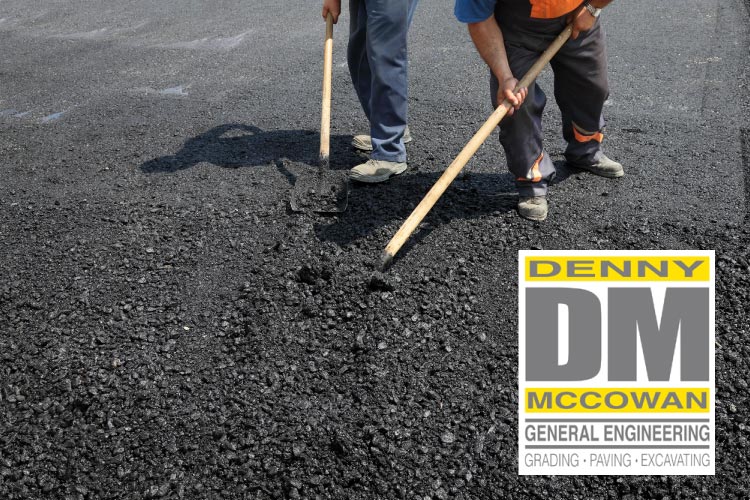
Asphalt is made from crushed stone, sand, and a petroleum-based binder called bitumen. It is mixed hot, spread over a prepared base, and compacted with heavy rollers.
Because the binder stays slightly flexible, asphalt is considered a flexible pavement. It can bend a little under load and adapt to small movements in the soil beneath it.
What Is Concrete?
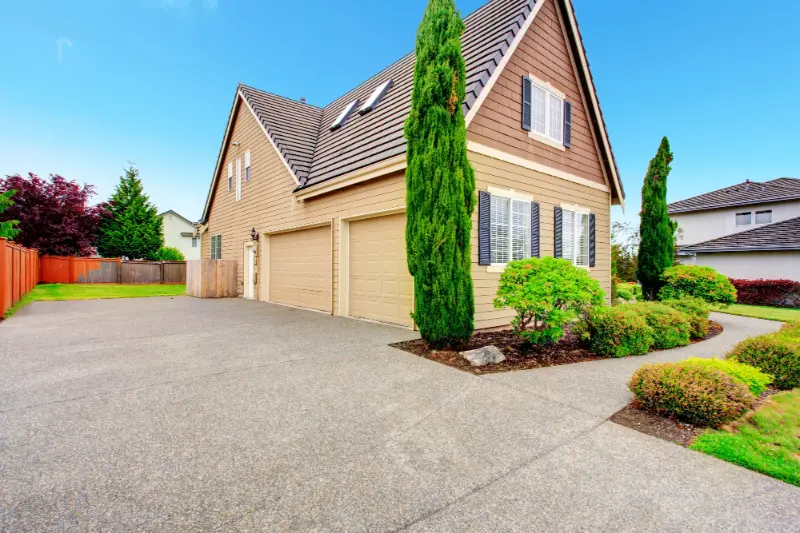
Concrete is made from gravel, sand, water, and portland cement. Once it cures, it becomes a hard slab.
That makes it a rigid pavement. It spreads weight across a wide area, but it does not flex. To control cracking, concrete is poured with joints that allow the slab to expand and contract.
This one difference, flexible versus rigid, explains most of what follows.
Cost: Which One Is Cheaper?
For most projects, asphalt costs less upfront. Published national estimates for driveways put asphalt at roughly $7 to $15 per square foot and concrete at roughly $8 to $20 per square foot.
Your real price will differ. Local material costs, project size, access, and the condition of the ground all play a role.
Here are the main factors that move the price on either material:
- Square footage. Larger areas usually cost less per square foot.
- Thickness. Areas with heavy truck traffic need a thicker, stronger build.
- Site condition. Poor soil, slopes, or old pavement to remove add cost.
- Access. Tight spaces make it harder to bring in equipment.
- Finish. Colored, stamped, or decorative concrete costs more than a standard slab.
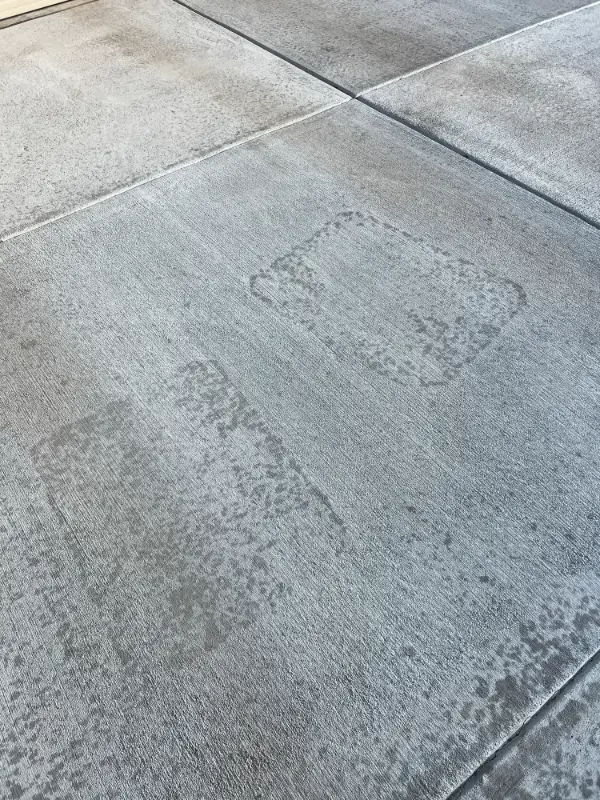
Upfront Cost vs. Lifetime Cost
The cheapest option on day one is not always the cheapest over 30 years.
Concrete costs more to install, but it typically needs less maintenance. Asphalt costs less to install, but it needs sealing and resurfacing over time.
Smart paving decisions compare total cost over the life of the surface, not just the price on the estimate.
This is the same idea transportation agencies use. The Federal Highway Administration publishes guidance on life-cycle cost analysis in pavement design, which weighs construction, maintenance, and rehabilitation costs together instead of looking at the initial price alone.
For a homeowner or business owner, the takeaway is simple. Ask what each option will cost you over the next 20 to 30 years, not only this year.
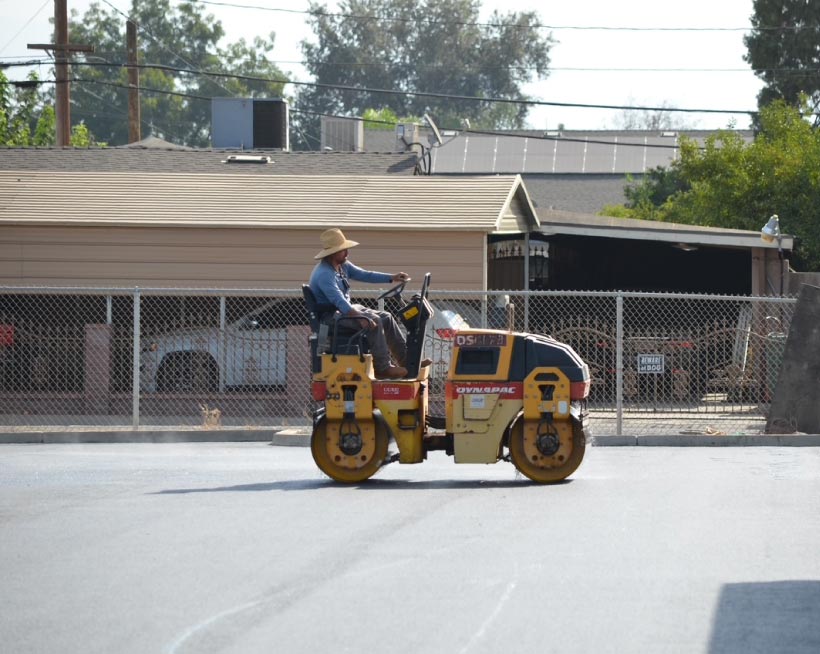
Durability and Lifespan
Concrete generally has the longer lifespan. A well-installed slab can last 30 to 50 years. Asphalt typically lasts around 20 to 25 years, and often longer when it is sealed and maintained.
But those numbers are averages, not guarantees.
A well-built, well-maintained asphalt surface can outlast a poorly built concrete slab. And a concrete slab poured over weak soil can crack in just a few years.
What Really Determines How Long It Lasts
- The base. A compacted, properly graded foundation is the most important factor.
- Drainage. Standing water weakens both materials from below.
- Traffic load. Heavy trucks wear down any surface faster.
- Installation quality. Thickness, compaction, and curing all matter.
- Maintenance. Small repairs done early prevent big failures later.
Neither material will save a poorly prepared base. Both will fail if the foundation underneath is weak.
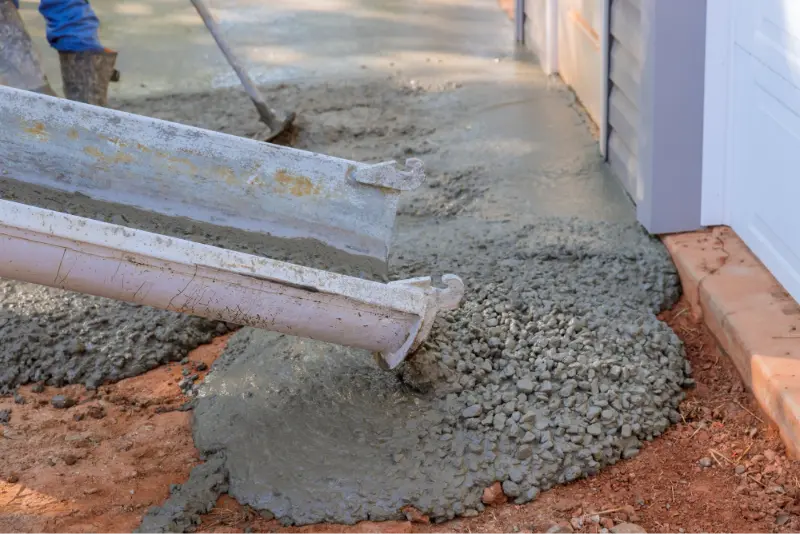
Maintenance: What to Expect
Both surfaces need care. They just need different kinds of care.
Asphalt Maintenance
Asphalt is a petroleum-based product, and sun and water slowly dry it out. That is why it benefits from a protective layer.
- Sealcoating every three to five years protects against UV rays, water, and oil.
- Crack filling stops water from getting into the base.
- Patching fixes small failed areas before they spread.
- Resurfacing renews the surface when it wears out.
Regular asphalt sealcoating is the single best way to extend the life of an asphalt surface. It costs a fraction of replacement.

Concrete Maintenance
Concrete needs less frequent attention, but it is not maintenance-free.
- Joint sealing keeps water and debris out of the control joints.
- Crack repair prevents small cracks from growing.
- Cleaning removes oil and stains, which show up easily on light concrete.
- Surface sealing may be recommended every few years.
In short, concrete asks for less work, but the work it does need can be harder to hide or repair.
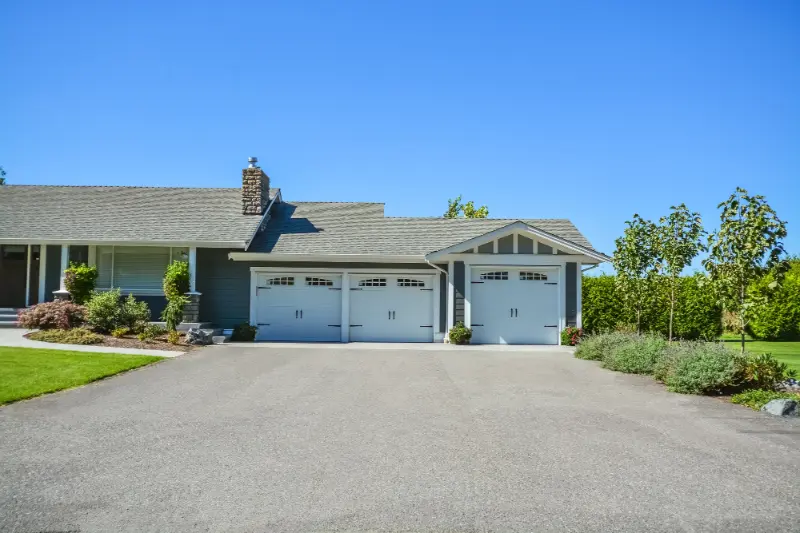
Heat and Weather in the Central Valley
Where you live matters. In the Central Valley, we deal with long, hot summers, mild winters, and plenty of sun.
How Asphalt Handles Heat
Asphalt is dark, so it absorbs heat. On very hot days the surface can feel soft, and sharp turning or heavy point loads can leave marks, especially on new pavement.
The good news is that asphalt is flexible. It does not need expansion joints, and it adapts well to the temperature swings between day and night.
Sealcoating also helps by shielding the surface from UV damage.
How Concrete Handles Heat
Concrete is lighter in color, so it reflects more sunlight and tends to stay a bit cooler underfoot.
However, it expands and contracts as temperatures change. Without properly placed joints, it can crack. Pouring concrete in extreme heat also requires extra care, because it can dry too quickly and weaken.
What About Rain and Cold?
Our winters are mild compared to many parts of the country, so freeze-and-thaw damage is less of a concern here. Drainage is the bigger issue.
Water that collects and soaks into the base is what causes most pavement problems in our area, no matter which material you pick.
Installation Time and Curing
If you need your surface back in use quickly, this category matters.
Asphalt is fast. After it is placed and compacted, it only needs to cool. Many surfaces can handle light traffic within a day or two.
Concrete is slower. It must cure, which typically means staying off the surface for around a week before vehicles can drive on it. Full strength takes about 28 days.
For a busy business, that difference is significant. Closing a parking lot for a week costs money in lost customers and blocked access.
Asphalt also works better in phased projects, where one section is paved while the rest of the lot stays open.
Appearance and Curb Appeal
This part comes down to taste and the look of your property.
Asphalt has a clean, dark, uniform look. Fresh black pavement makes landscaping pop, and white or yellow striping stands out sharply against it.
Concrete has a lighter, brighter look. It also offers more design options, such as color, stamped patterns, and exposed aggregate finishes.
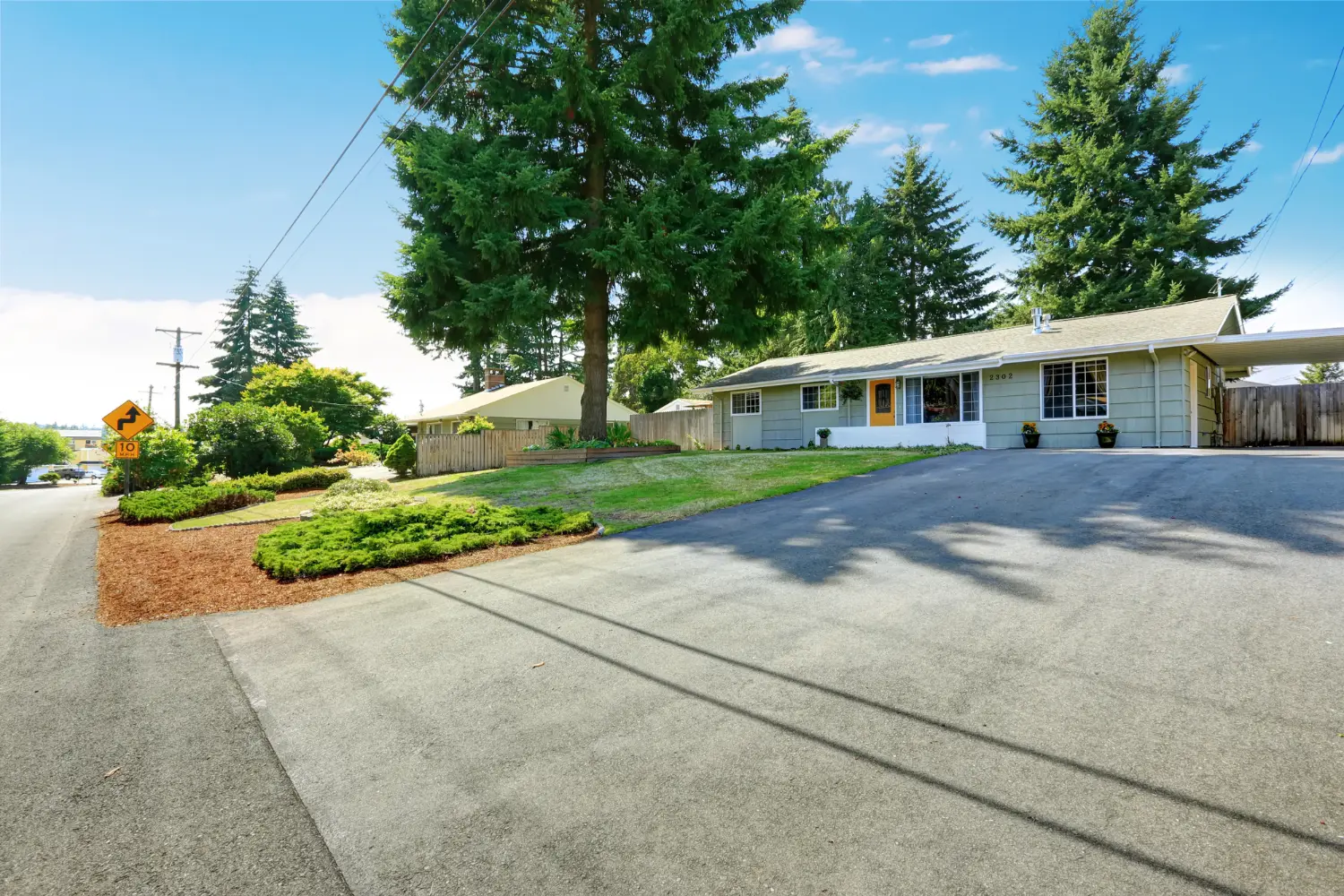
For many homeowners, concrete is the choice for patios, walkways, and decorative areas. Asphalt is the practical choice for long driveways and large paved areas.
Repairs: Which Is Easier to Fix?
Eventually, every surface needs a repair. This is where asphalt has a real advantage.
Repairing Asphalt
Asphalt is forgiving. Cracks can be filled, potholes can be patched, and worn surfaces can be resurfaced without tearing everything out.
Professional asphalt repair is usually quick and affordable, and a new layer can make an aging surface look almost new. For larger commercial areas, parking lot resurfacing adds years of life without a full rebuild.
Repairing Concrete
Concrete is harder to fix. Small cracks can be sealed, but larger damage often means cutting out and replacing an entire slab.
New concrete rarely matches old concrete in color, so repairs tend to show. And because the material is rigid, one failed section can affect the pieces around it.
Asphalt is easier to repair. Concrete is harder to damage in the first place. Which of those matters more depends on your property.
When to Choose Asphalt
Asphalt is usually the better fit in these situations:
- You want a lower upfront cost. Asphalt gets more surface area paved for the budget.
- You need it done fast. Quick installation means less downtime.
- The area is large. Long driveways, roads, and big lots are where asphalt shines.
- You want easy repairs. Patching and resurfacing are simple and affordable.
- You want striping. Dark pavement makes parking lines highly visible.
- The ground may shift slightly. Flexibility helps absorb minor movement.
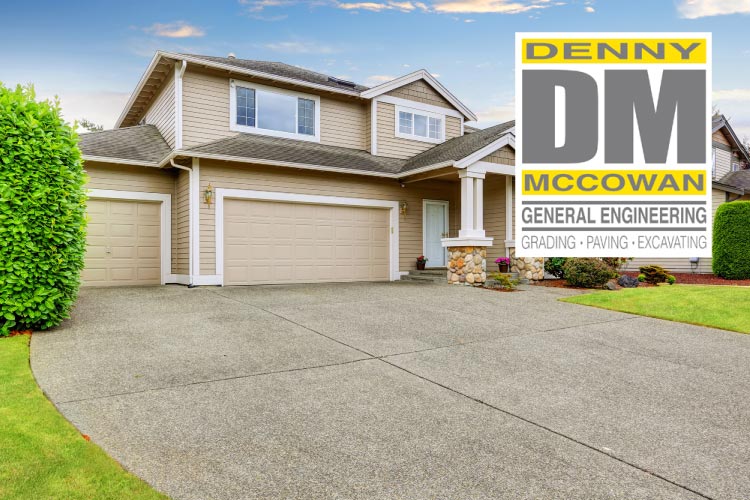
This is why most residential driveways and commercial parking areas in our region are asphalt. If that sounds like your project, take a look at our driveway paving and parking lot construction services.
For larger properties, our team also handles commercial paving for warehouses, shopping centers, and industrial sites.
When to Choose Concrete
Concrete is often the smarter choice in these situations:
- You want the longest possible lifespan. Concrete can last decades with little work.
- Loads are very heavy and concentrated. Dumpster pads, loading docks, and truck turning areas put stress on pavement.
- You want a decorative finish. Color, stamping, and texture give you design freedom.
- You prefer lower long-term maintenance. You can accept a higher upfront price in exchange.
- The area is small. Patios, walkways, and small pads are well suited to concrete.
Many Properties Use Both
You do not always have to choose one. Many commercial properties use concrete in high-stress spots, such as dumpster enclosures and drive-through lanes, and asphalt for the main lot.
This gives you strength where you need it and savings everywhere else.
The Base Matters More Than the Surface
Here is something most people do not hear when comparing materials: the surface on top is only half the story.
Whether you choose asphalt or concrete, what sits underneath decides how long the pavement lasts.
A strong foundation includes:
- Clearing vegetation, debris, and old pavement.
- Excavating to the correct depth.
- Grading to create slope so water drains away.
- Compacting the soil and aggregate base in layers.
Skipping or rushing these steps is the most common reason new pavement cracks, sinks, or develops puddles within a few years.
That is why we treat site preparation as seriously as the paving itself. A perfectly installed surface on a weak base is still a weak surface.
Choosing the right material helps. Preparing the ground correctly is what makes it last.
Best Choice by Project Type
Use this table as a starting point. Every site is different, so a quick on-site assessment is always best.
| Project | Usually the Better Fit | Why |
|---|---|---|
| Residential driveway | Asphalt | Lower cost, quick install, easy to maintain and repair |
| Large parking lot | Asphalt | Affordable over big areas, fast, simple to stripe and resurface |
| Dumpster pad | Concrete | Handles heavy, concentrated loads and spills |
| Loading dock apron | Concrete | Resists wear from turning trucks |
| Patio or walkway | Concrete | Decorative options and a clean, light finish |
| Private road or long access drive | Asphalt | Cost-effective over long distances |
| Temporary or phased project | Asphalt | Shorter downtime and easy to extend later |
Frequently Asked Questions (FAQs)
Is asphalt or concrete better for a driveway?
For most homeowners, asphalt is the more practical choice. It costs less, installs quickly, and is easy to repair. Concrete is a good choice if you want a lighter look, decorative finishes, or less frequent maintenance and you are comfortable paying more upfront.
Which lasts longer, asphalt or concrete?
Concrete generally lasts longer, often 30 to 50 years. Asphalt typically lasts about 20 to 25 years, and sealcoating and timely repairs can extend that. In both cases, a properly prepared base has the biggest effect on lifespan.
Is asphalt or concrete better in hot weather?
Both can perform well in Central Valley heat when installed correctly. Asphalt is flexible but can soften on extremely hot days, especially when new. Concrete reflects more heat but needs proper joints to handle expansion. Good installation matters more than the material.
How long before I can drive on new asphalt or concrete?
Asphalt can often handle light traffic within a day or two once it has cooled. Concrete typically needs about a week before vehicles, and around 28 days to reach full strength. Your contractor can give you exact timing for your project.
Can I switch from asphalt to concrete later, or the other way around?
Yes, but it requires removing the existing surface and often reworking the base. That is why it is worth choosing carefully the first time and having the site evaluated before any work begins.
Final Verdict: Asphalt or Concrete?
So, asphalt or concrete? Here is the short version.
- Choose asphalt if you want a lower upfront cost, fast installation, easy repairs, and a practical surface for driveways and parking lots.
- Choose concrete if you want maximum lifespan, a decorative look, or a surface that can handle heavy, concentrated loads.
- Use both if your property has areas with very different demands.
No matter which you choose, remember the most important rule: great pavement starts with great preparation.
At Denny McCowan General Engineering Inc., we handle everything from grading and excavation to asphalt paving, so your project is built right from the ground up. We serve Visalia, Tulare, Fresno, Kings, and Kern Counties, and every estimate is free.
Not sure which material fits your property? Call us at (559) 734-1115 and we will walk your site with you and give you an honest recommendation.